
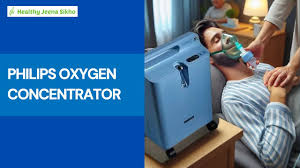
Philips Respironics Oxygen Concentrator Guide: Setup, Cost & Care
What is the Philips Respironics EverFlo Oxygen Concentrator?
The Philips Respironics EverFlo is a compact, lightweight home oxygen therapy device designed to deliver reliable supplemental oxygen while using minimal energy. This modern concentrator stands out as an efficient solution for patients requiring continuous oxygen support in residential or institutional settings.
The everflo oxygen concentrator provides continuous oxygen flow ranging from 0.5 to 5 liters per minute, allowing healthcare providers to customize treatment based on individual patient needs. Its energy-efficient operation reduces electricity costs while maintaining consistent oxygen delivery throughout extended use periods.
Key features of the EverFlo Oxygen Concentrator include:
- User-friendly control panel with intuitive flow meter adjustment
- Recessed flow meter for easy reading and protection
- LED indicator system showing operational status at a glance
- Robust engine design with fewer components requiring maintenance
- Metal cannula connection for secure oxygen delivery attachment
The EverFlo’s streamlined design makes it suitable for both home and institutional environments. Weighing approximately 14–15 kg, it balances portability with stability, allowing caregivers to reposition the unit when needed without compromising its secure placement during operation. The simplified construction means filters only require replacement every two years, reducing maintenance frequency compared to traditional oxygen concentrators.
How Do You Set Up the Philips Respironics Oxygen Concentrator?
Setting up your oxygen concentrator takes approximately 10-15 minutes and requires connecting three main components: the humidifier system, nasal cannula, and power source. The process is straightforward with clear visual indicators to confirm proper assembly.
Connecting the Humidifier System:
- Locate the oxygen outlet port on the front panel of your concentrator
- Attach the humidifier connector tube firmly to this outlet port
- Connect the opposite end of the tube to your humidifier bottle platform
- Ensure all connections are secure without gaps or loose fittings
Attaching the Nasal Cannula:
Follow manufacturer specifications when connecting your nasal cannula to the humidifier bottle. The cannula tubing should click into place on the bottle’s outlet valve. Standard setups accommodate up to 50 feet of extension tubing combined with a 7-foot nasal cannula for mobility throughout your home.
Powering On the Device:
Plug the concentrator into a grounded electrical outlet and press the power button. Wait for the green LED indicator to illuminate before beginning oxygen delivery—this typically takes 10 minutes as the system reaches optimal pressure. Adjust the flow meter knob to match your prescribed oxygen flow rate by aligning the ball indicator with the appropriate liter-per-minute marking on the recessed flow meter.
What Are the Best Practices for Caring for and Maintaining the Device?
Regular oxygen concentrator cleaning keeps your Philips Respironics EverFlo running efficiently and extends its lifespan. A consistent maintenance schedule prevents performance issues and ensures safe oxygen delivery.
Weekly Cleaning Routine
Wipe down the exterior casing with a damp cloth and mild household cleaner every seven days. For devices shared between patients in institutional settings, disinfect surfaces using a solution of 10 parts water to 1 part bleach. Allow the unit to air dry completely before the next use.
Filter Maintenance Schedule
Clean the filter door monthly by removing dust and debris with a soft cloth. The air inlet filter requires professional replacement every two years by a qualified healthcare provider—never attempt this service yourself. This extended filter replacement schedule reduces maintenance costs compared to traditional concentrators.
Humidifier Maintenance and Accessory Care
Empty and clean humidifier bottles according to your healthcare provider’s specific instructions, typically every few days. Replace bottles when you notice cracks, cloudiness, or mineral buildup. Nasal cannulas and oxygen tubing accumulate bacteria and should be replaced based on manufacturer guidelines—usually every 2-4 weeks for cannulas and every few months for tubing. Keep spare accessories on hand to avoid interruptions in therapy.
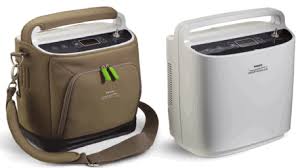
The device’s LED indicators and audible alarms alert you to maintenance needs, with yellow lights signaling restricted airflow from dirty filters.
What Should Users Know About the Cost of Owning a Philips Respironics Oxygen Concentrator?
The cost of an oxygen concentrator can vary greatly depending on whether you decide to buy or rent the device. The exact prices can change based on factors such as the medical equipment suppliers, insurance coverage, and where you live.
Initial Costs to Consider
When it comes to purchasing an oxygen concentrator, the prices usually fall between a few hundred dollars to over a thousand dollars. On the other hand, if you choose to rent, there may be options for monthly payment plans. It’s important to note that different healthcare providers and suppliers of durable medical equipment have their own pricing structures based on:
- Whether you have insurance coverage or are eligible for Medicare
- Whether you choose a new or refurbished unit
- The warranty and service agreements included in the purchase
- Any delivery and setup services that may be provided
For a detailed understanding of durable medical equipment costs and coverage, refer to this Medi-Cal manual.
Ongoing Maintenance Costs
In addition to the initial cost of buying or renting the concentrator, it’s essential to budget for regular maintenance expenses that will ensure your device continues to function properly:
- Replacement filters: These need to be replaced every two years and can be obtained through authorized healthcare providers
- Humidifier bottles: Depending on how frequently you use the device, these will need to be replaced periodically
- Nasal cannulas: For hygiene purposes, these should typically be replaced every 2-4 weeks
- Oxygen tubing: This should be changed every 3-6 months or whenever it gets damaged
- Cleaning supplies: You will need mild cleaners and disinfectants for weekly maintenance of the concentrator
The design of the EverFlo model helps reduce maintenance costs compared to other models. It has fewer parts and requires less frequent filter replacements. For specific pricing details related to your situation and insurance benefits, reach out to your medical equipment provider directly.
What Safety Precautions Are Essential When Using This Oxygen Concentrator?
The Philips Respironics EverFlo provides supplemental oxygen only—it is not a life-supporting device. Users requiring life-sustaining oxygen therapy should have backup systems and emergency protocols in place. The concentrator serves as respiratory support rather than critical life-support equipment.
1. Flammability Risks: Keep Oxygen Away from Ignition Sources
Oxygen concentrator safety demands strict attention to flammability risks. Oxygen accelerates combustion, making any ignition source extremely dangerous. Keep the device at least 5 feet away from:
- Open flames (candles, gas stoves, fireplaces)
- Cigarettes, cigars, or any smoking materials
- Heat sources like space heaters
- Sparking electrical equipment
Never allow smoking in rooms where the concentrator operates. Post “No Smoking—Oxygen in Use” signs at entry points to alert visitors.
2. Proper Airflow: Prevent Overheating and Ensure Performance
Proper airflow prevents overheating and ensures optimal performance. Avoid stacking items on top of the unit or placing it against walls that block ventilation openings. Position the concentrator with adequate clearance on all sides.
3. Use Approved Accessories: Maintain Safety Standards
Use only Philips Respironics-approved accessories including power cords, tubing, and connectors. Third-party components may compromise safety standards or void warranties. The device complies with IEC 60601 medical safety standards, but unauthorized modifications or accessories eliminate these protections.
4. Water and Humidity Precautions: Avoid Shock Hazards
Keep the concentrator away from water sources and humid environments beyond the specified 95% non-condensing humidity threshold. Electrical components and moisture create shock hazards.
What Are the Key Technical Specifications Users Should Be Aware Of?
The Philips EverFlo concentrator has specific technical specifications that users should know about to ensure it works well. Here are the important details:
Operating Conditions
The device works best in certain temperature and humidity conditions:
- Temperature: 13°C to 32°C (55°F to 90°F)
- Humidity: 15% to 95% non-condensing
These conditions help protect the internal parts of the machine and ensure it delivers a consistent oxygen supply in different home environments.
Weight and Portability
The concentrator weighs around 14–15 kg (31–33 pounds). This weight is a good balance between being easy to carry and stable during use. It allows caregivers to move the unit between rooms when needed without worrying about it tipping over accidentally.
Size and Suitability
The compact design of the EverFlo makes it suitable for various living spaces such as apartments, bedrooms, and smaller areas. Its size combined with its manageable weight makes it convenient for both patients and caregivers.
Noise Level
During operation, the device produces sound at or below 50 dBA, which is similar to the sound level of a quiet conversation or light rainfall. This quiet performance ensures that users can sleep peacefully, watch TV, or go about their daily activities without being disturbed by loud background noise.
Safety Standards Compliance
The EverFlo concentrator meets international medical safety standards known as IEC 60601 series. This certification guarantees that the device has undergone thorough testing for patient safety, electrical insulation, and protection against potential hazards in medical settings.
Additionally, users should also be aware of some basic operational guidelines outlined in this user manual which can further enhance their understanding of the device’s functionality.
Why Choose Philips Respironics EverFlo for Home Oxygen Therapy?
Does the EverFlo offer genuine advantages for home oxygen users? Yes—this reliable home oxygen concentrator combines straightforward setup with minimal ongoing maintenance demands. The benefits Philips EverFlo delivers extend beyond basic oxygen delivery to create a practical long-term solution.
The device requires no specialized technical knowledge for initial setup. Users simply connect the humidifier, attach the cannula, and power on. Weekly exterior cleaning takes minutes, while filters need replacement only every two years by a healthcare provider.
Cost considerations remain balanced against durability. While upfront investment and supply costs exist, the reduced maintenance schedule and energy-efficient operation lower long-term expenses compared to frequent-service alternatives.
Safety features include clear LED indicators, audible alarms for system issues, and compliance with IEC 60601 medical standards. The 14–15 kg weight provides stability without sacrificing portability between rooms.
This Philips Respironics Oxygen Concentrator Guide: Setup, Cost & Care demonstrates how the EverFlo addresses practical needs—delivering prescribed oxygen therapy while respecting users’ desire for independence and caregivers’ need for dependable equipment.
for more detail click here: How to Use the Aerobika OPEP Device for Better Lung Health