CPAP Machine Cost vs. Health Benefits: Is It Worth the Investment?
Sleep apnea is a serious condition that can impact your overall health and quality of life. Fortunately, CPAP (Continuous Positive Airway Pressure) therapy is an effective treatment for sleep apnea, helping millions of people sleep better and stay healthier. However, as with any medical treatment, it comes with its own costs. In this article, we will dive into the cost of CPAP machines and health benefits, discussing whether the investment is truly worth it for those with sleep apnea.
Introduction
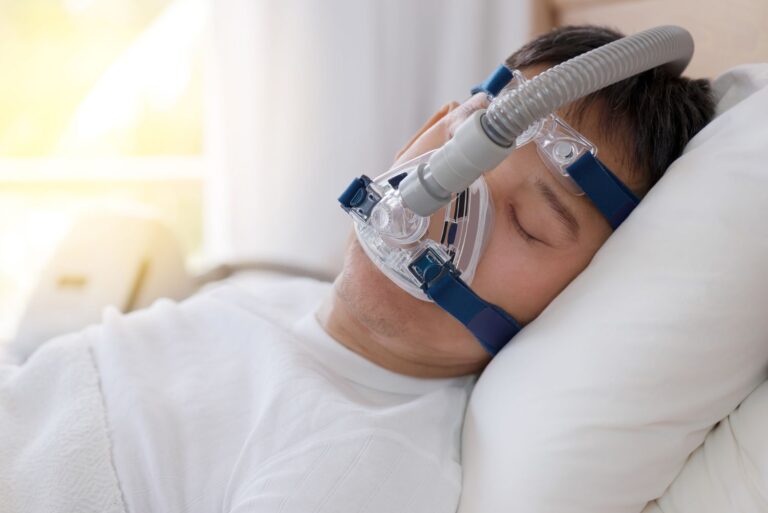
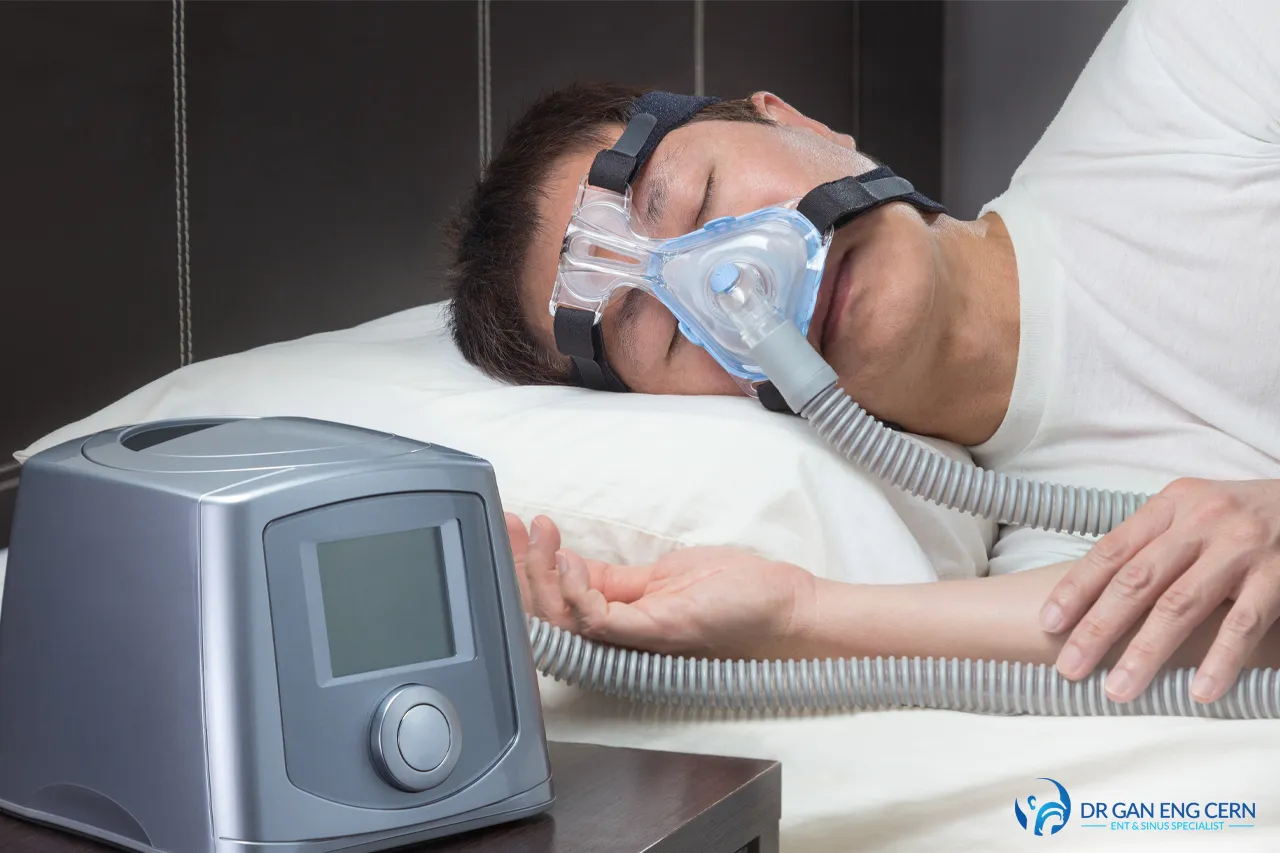
CPAP machines are the go-to treatment for Obstructive Sleep Apnea (OSA), the most common form of sleep apnea. The machine works by providing a continuous flow of air through a mask to keep the airway open during sleep. This prevents interruptions in breathing, which can lead to poor sleep quality, fatigue, and long-term health issues like heart disease, stroke, and high blood pressure.
CPAP therapy is often prescribed for individuals diagnosed with sleep apnea, a condition that causes the airway to collapse or become blocked during sleep. While CPAP therapy offers life-changing benefits, the cost of the machines can be a concern for many patients. This article will explore both the cost and the health benefits of CPAP machines, helping you make an informed decision.
See more: Symptoms and Treatment Options for Glaucoma: A Comprehensive Guide
What is Sleep Apnea and How CPAP Machines Help
Sleep apnea is a disorder in which breathing repeatedly stops and starts during sleep. There are three main types:
- Obstructive Sleep Apnea (OSA): This is the most common type of sleep apnea, caused by a physical obstruction of the airway when the muscles at the back of the throat relax too much.
- Central Sleep Apnea: Occurs when the brain fails to send the proper signals to the muscles that control breathing.
- Complex Sleep Apnea: A combination of both obstructive and central sleep apnea.
A CPAP machine is designed specifically to treat Obstructive Sleep Apnea (OSA). It works by providing a steady stream of air through a mask, preventing airway collapse and allowing the user to breathe freely throughout the night. By ensuring consistent airflow, CPAP therapy improves sleep quality and helps manage the symptoms of sleep apnea, reducing daytime fatigue and the risk of heart-related complications.
Types of CPAP Machines
CPAP machines come in a few different types, each with its unique features:
- Standard CPAP (Continuous Positive Airway Pressure):
- How it Works: Delivers a continuous flow of air at a fixed pressure to keep the airway open.
- Benefits: Simple, affordable, and effective for mild to moderate obstructive sleep apnea.
- Limitations: Fixed pressure may not accommodate changes in breathing patterns throughout the night.
- Auto-CPAP (Auto Adjusting CPAP):
- How it Works: Automatically adjusts the air pressure based on real-time data from the user’s breathing patterns.
- Benefits: More personalized treatment, offering comfort by adjusting pressure levels as needed.
- Limitations: More expensive than the standard CPAP machine.
- BiPAP (Bilevel Positive Airway Pressure):
- How it Works: Provides two levels of pressure—higher for inhalation and lower for exhalation.
- Benefits: Ideal for people who struggle to exhale against the higher pressures of a CPAP.
- Limitations: BiPAP machines are typically more expensive and complex than standard CPAP devices.
How to Choose the Right CPAP Machine
When choosing a CPAP machine, there are several factors to consider:
- Comfort: Features like adjustable pressure, ramp functions (gradual pressure increase), and varying mask types can make your therapy more comfortable.
- Noise Level: If you or your partner are sensitive to noise, look for quieter models. Many modern CPAP machines are designed to operate silently.
- Portability: For frequent travelers, a compact, lightweight CPAP machine is essential. Many machines come with a carrying case for easy transport.
- Price: Standard CPAP machines tend to be more affordable, while Auto-CPAP and BiPAP machines are pricier due to their advanced features.
Your healthcare provider will help you select the right machine based on your individual needs, helping ensure the therapy is effective and comfortable.
CPAP Machine Setup and Usage
Setting up your CPAP machine properly is essential to ensuring effective treatment. Here’s a simple guide to setting up your CPAP machine at home:
- Unbox and Assemble: Attach the CPAP tubing to the machine and the mask. If your machine has a humidifier, add distilled water to the chamber.
- Adjust Settings: Your doctor will prescribe a specific pressure for a standard CPAP machine. For Auto-CPAP, the machine will automatically adjust pressure.
- Fit the Mask: Choose a mask that fits snugly but comfortably. There are nasal masks, full-face masks, and nasal pillow masks. Ensure a secure seal to prevent air leaks.
- Turn the Machine On: Turn the CPAP machine on before sleeping, ensuring it’s providing the correct pressure throughout the night.
Troubleshooting Tips:
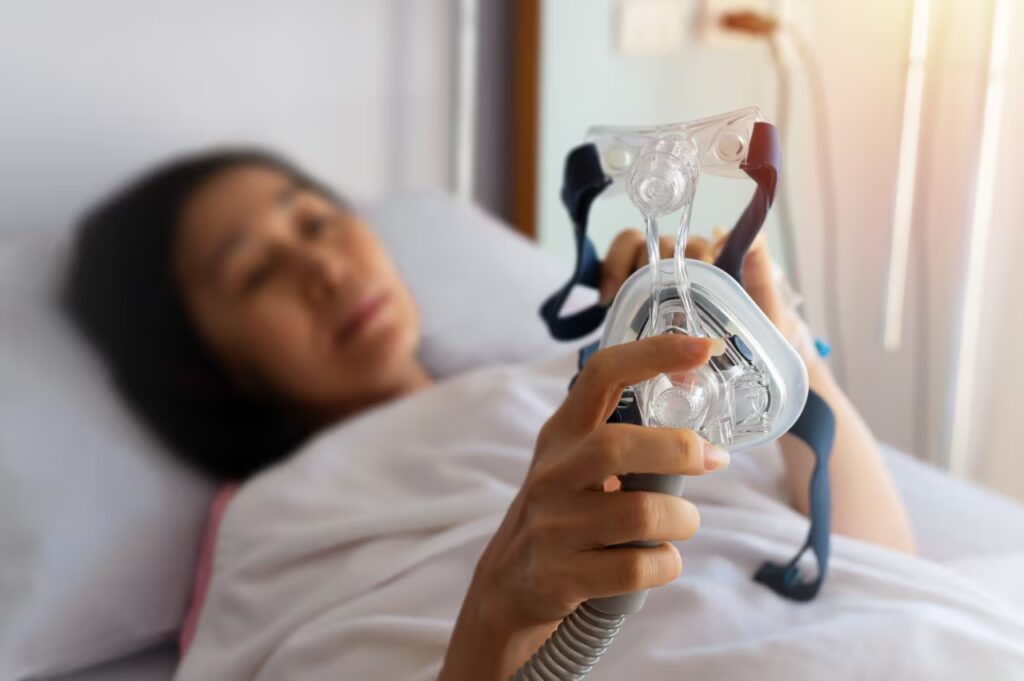
- Air Leaks: Ensure the mask is securely attached and fits properly.
- Dry Mouth: Consider using a heated humidifier to add moisture to the air or try using a full-face mask to prevent mouth breathing.
- Noisy Machine: Ensure the machine is placed on a stable, flat surface.
CPAP Machine Accessories and Maintenance
To keep your CPAP machine in good working condition, it’s important to maintain the accessories and perform regular cleaning:
- Masks: Clean your mask daily with mild soap and warm water to prevent bacterial buildup. Replace the mask every 6 to 12 months.
- Tubing: Clean the tubing weekly to remove dust and moisture that can lead to bacteria growth. Replace it every 6 to 12 months.
- Filters: Replace the filters once a month to ensure clean air intake.
- Humidifiers: If your CPAP includes a humidifier, clean the water chamber regularly to prevent mold and bacteria buildup.
Regular maintenance helps keep your CPAP machine working effectively and ensures hygienic conditions for safe use.
Benefits of Using a CPAP Machine
CPAP therapy offers numerous benefits beyond just improving sleep:
- Improved Sleep Quality: CPAP machines prevent apnea events, leading to more restorative and deeper sleep.
- Reduced Risk of Heart Disease: Sleep apnea is linked to an increased risk of heart disease, stroke, and high blood pressure. CPAP therapy helps mitigate these risks by maintaining consistent oxygen levels during sleep.
- Increased Daytime Energy: Better sleep leads to less daytime fatigue, increased energy, and improved mood.
- Enhanced Cognitive Function: Improved sleep also enhances memory, focus, and decision-making abilities.
Common CPAP Machine Problems and How to Solve Them
While CPAP machines are effective, users may encounter some common issues. Here’s how to solve them:
- Air Leaks: Ensure the mask is snugly fitted and adjust the straps to achieve a secure seal. Switch to a different mask style if necessary.
- Dry Mouth: Use a heated humidifier to add moisture to the air or consider a full-face mask to prevent mouth breathing.
- Discomfort: Try different mask styles or use additional padding to make the mask more comfortable.
Cost of CPAP Machines and Insurance Coverage
CPAP machine costs can vary based on the model and features:
- Standard CPAP Machines: Typically range from $200 to $800.
- Auto-CPAP Machines: Usually cost between $500 and $1,500.
- BiPAP Machines: Can range from $1,000 to $2,000 or more.
Insurance Coverage: Most insurance plans cover CPAP machines if they are prescribed for medical reasons. It’s important to check with your insurance provider to understand your coverage and any out-of-pocket costs you may incur.
Conclusion
CPAP machines are an invaluable treatment for individuals with sleep apnea, offering significant health benefits such as improved sleep, reduced risk of heart disease, and enhanced overall well-being. While the cost of CPAP machines can be a concern, the investment is often worth it when considering the long-term health improvements and quality of life. With regular maintenance, proper setup, and consistent use, CPAP therapy can help you lead a healthier, more energized life. If you suspect you have sleep apnea or experience snoring and fatigue, consult your healthcare provider to determine if CPAP therapy is right for you.